
Snap-In Dentures vs. All-on-4: Fixed or Removable — Which Full-Arch Option Fits You?
Medically reviewed by Dr. Niels Oestervemb, DDS — Diplomate, American Board of Oral Implantology/Implant Dentistry
If you’re losing (or have lost) most of the teeth in an arch, you’ll hear two implant options mentioned again and again: fixed full-arch teeth (often called All-on-4) and snap-in implant dentures (overdentures). Both are life-changing upgrades from a traditional denture. But they’re different in daily life, in maintenance, and in cost — and the right answer depends on your bone, your budget, and honestly, your personality.
The 30-second version
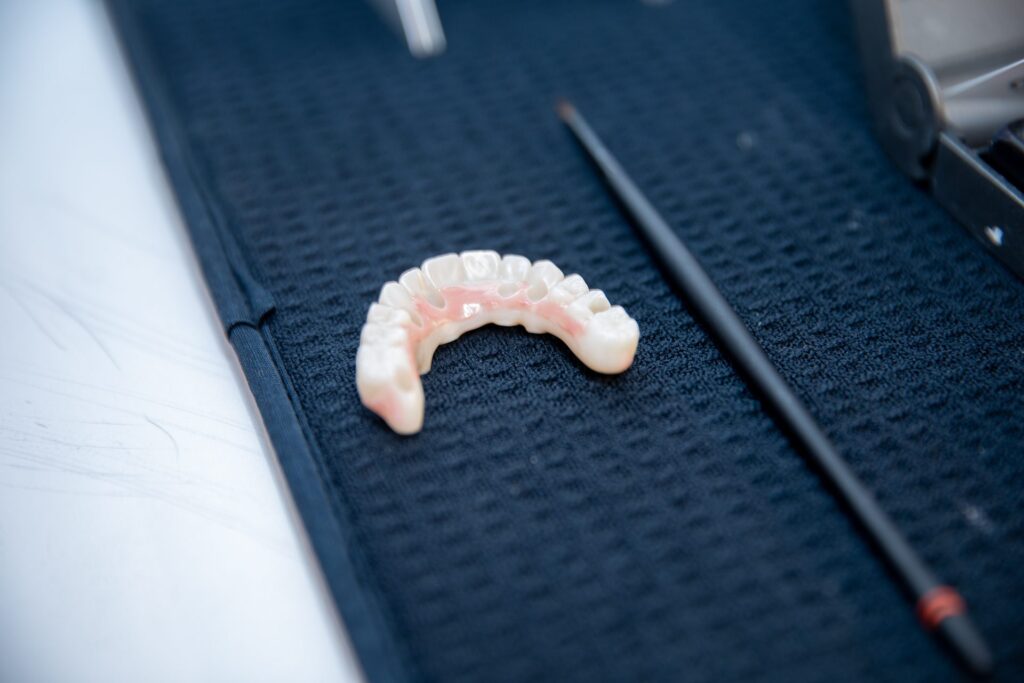
- All-on-4 (fixed): A full arch of teeth attached to 4–6 implants. Only your dentist removes it. Closest thing to natural teeth. Typical U.S. range: $20,000–$35,000+ per arch depending on materials.
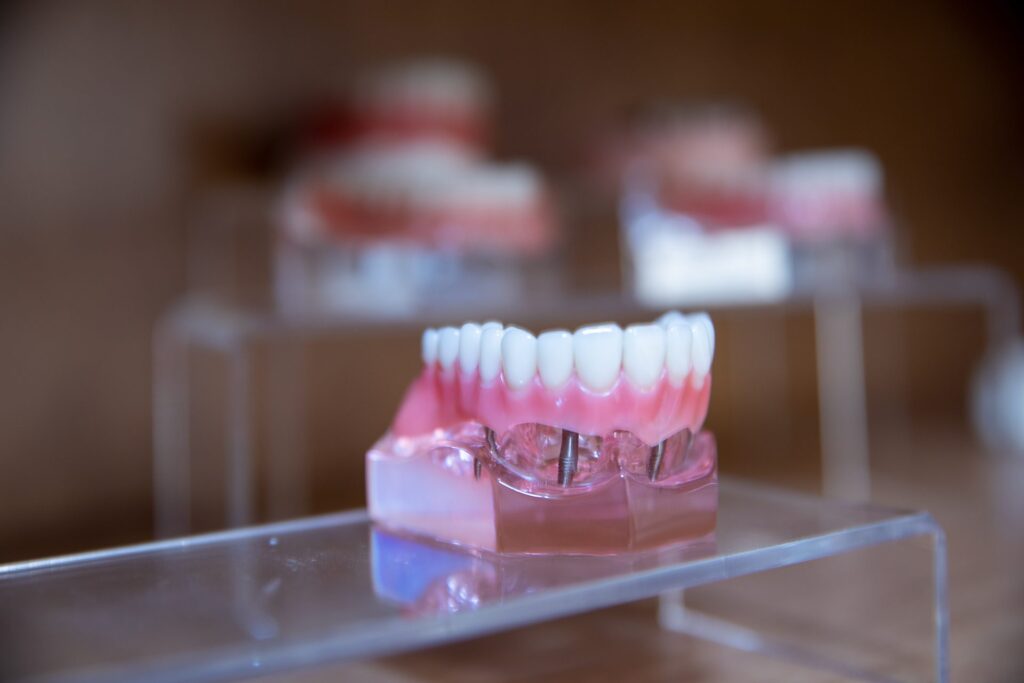
- Snap-in denture (removable): A denture that clicks onto 2–4 implants. You remove it nightly to clean. Far more stable than a regular denture. Typical U.S. range: $7,000–$18,000 per arch.
Daily life: the biggest real difference
Fixed teeth stay in. You wake up with teeth, eat with teeth, and clean them in your mouth — brushing plus a water flosser under the bridge. There’s no adhesive, no overnight soaking cup, and no moment where the teeth come out in front of anyone.
Snap-ins come out nightly. That’s a feature, not just a chore: cleaning is easier for people with dexterity issues, and some patients simply prefer being able to scrub everything at the sink. But you’ll handle your teeth every day, and the attachments have a learning curve.
Chewing power and comfort
Fixed full-arch teeth restore chewing force closest to natural teeth — steak, apples, crusty bread are back on the menu for most patients. Snap-in dentures are dramatically more stable than conventional dentures (no sliding, far less sore spots), and the lower-jaw version usually eliminates the floating-denture problem entirely. Upper snap-ins can often be made without covering the palate, which restores taste and temperature sensation many denture wearers miss.
Maintenance and long-term costs
- All-on-4: Professional cleanings and periodic check-ups; the prosthesis itself is designed for many years of service, with material choice (acrylic hybrid vs. zirconia) affecting durability and price.
- Snap-in: The nylon inserts inside the attachments wear and are replaced routinely (an inexpensive maintenance visit), and the denture may need relines over time as gums change.
Bone: the deciding factor most websites skip
Implant positions are dictated by available bone. Long-term denture wearers often have significant bone loss — sometimes enough that a standard approach won’t work without grafting or angled-implant techniques. This is where surgical training matters most: correctly assessing whether you’re a candidate for fixed teeth today, a candidate after grafting, or better served by a snap-in design. A 3D scan answers it definitively.
Which one is “better”?
Neither, universally. Choose fixed if your priorities are the most natural function and never removing your teeth, and the investment fits your plans. Choose snap-in if budget is the primary constraint, you want a massive stability upgrade over a denture, or easier out-of-mouth cleaning is a real advantage for you. Many of our patients start with a snap-in and upgrade later — implants placed with that path in mind can serve both.
Frequently asked questions
Can my current denture be converted to snap in?
Sometimes, if it’s in good shape and the implant positions cooperate — otherwise a new overdenture is made to fit precisely. We’ll tell you honestly at the exam.
How many implants do I need?
Typically 2–4 for a snap-in (more for uppers) and 4–6 for fixed teeth, based on bone quality and bite forces — not a one-size number.
Is the surgery done in one day?
Fixed full-arch cases are often completed with same-day teeth: implants placed and a provisional bridge attached in one visit, with the final set after healing. Sedation up to fully asleep is available for either option.
Ready to find out which side of this comparison your jaw actually supports? Start with a free full-arch consultation with a 3D scan — you’ll leave knowing your real options and real numbers.
Cost ranges reflect typical U.S. fees for general education; your itemized quote follows your exam and scan.


